Our History
The Majlis represents a centuries-old tradition of intellectual exchange and collective transformation. Since its inception, the Majlis has made a profound impact on the global stage. Founded in Cambridge in 1894, then 1896 in Oxford, as debating clubs for Hindustani students (modern day Pakistan, India, Bangladesh and Sri Lanka) to interrogate the principles of imperialism, the first modern Majlises expanded from a minority political association into ‘an intellectual engine of independence’, and then ‘a political behemoth that in the decades to come, fostered generations of anti-imperial activists, becoming a cradle of youthful rebellion of the new age and heroic, freedom-loving defiance from Malaysia to Morocco’.
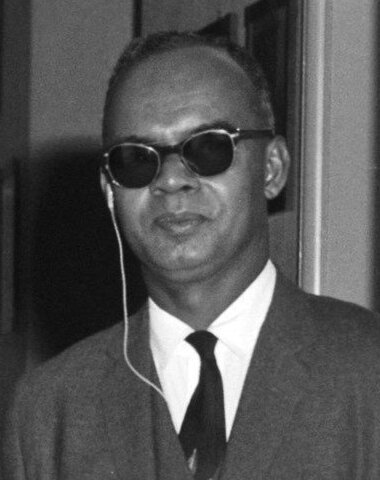
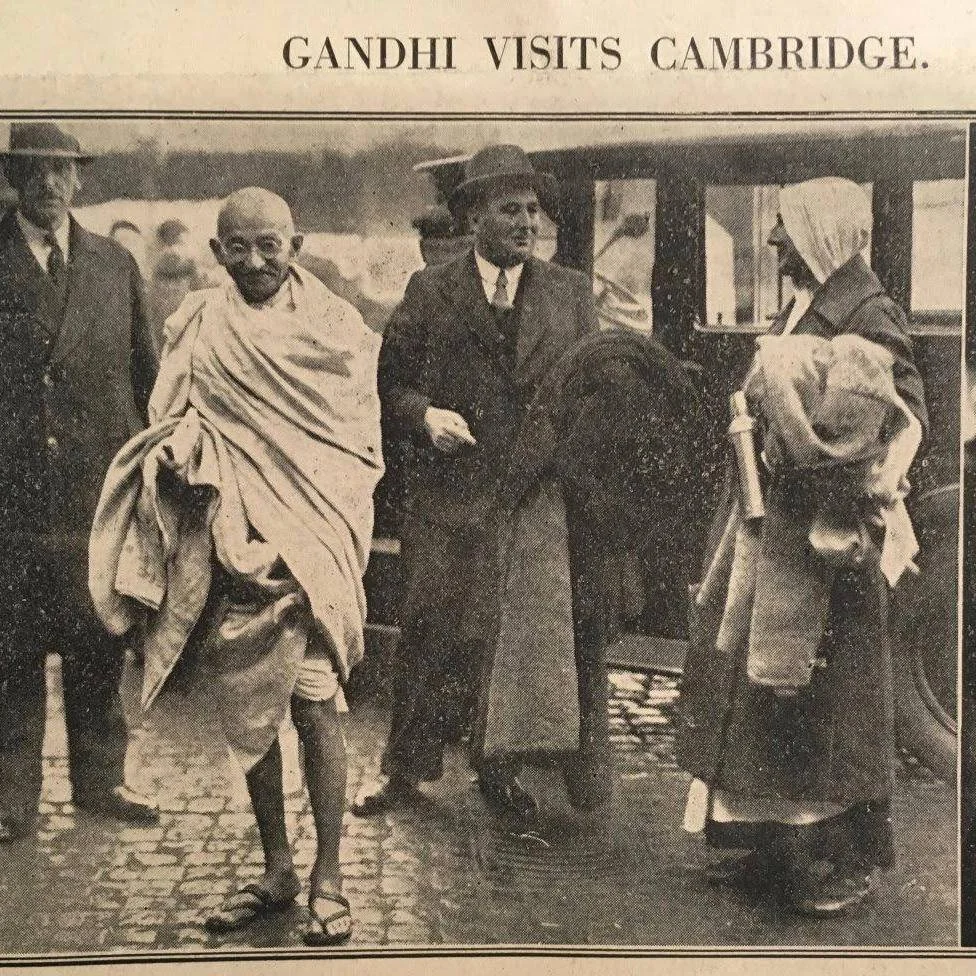
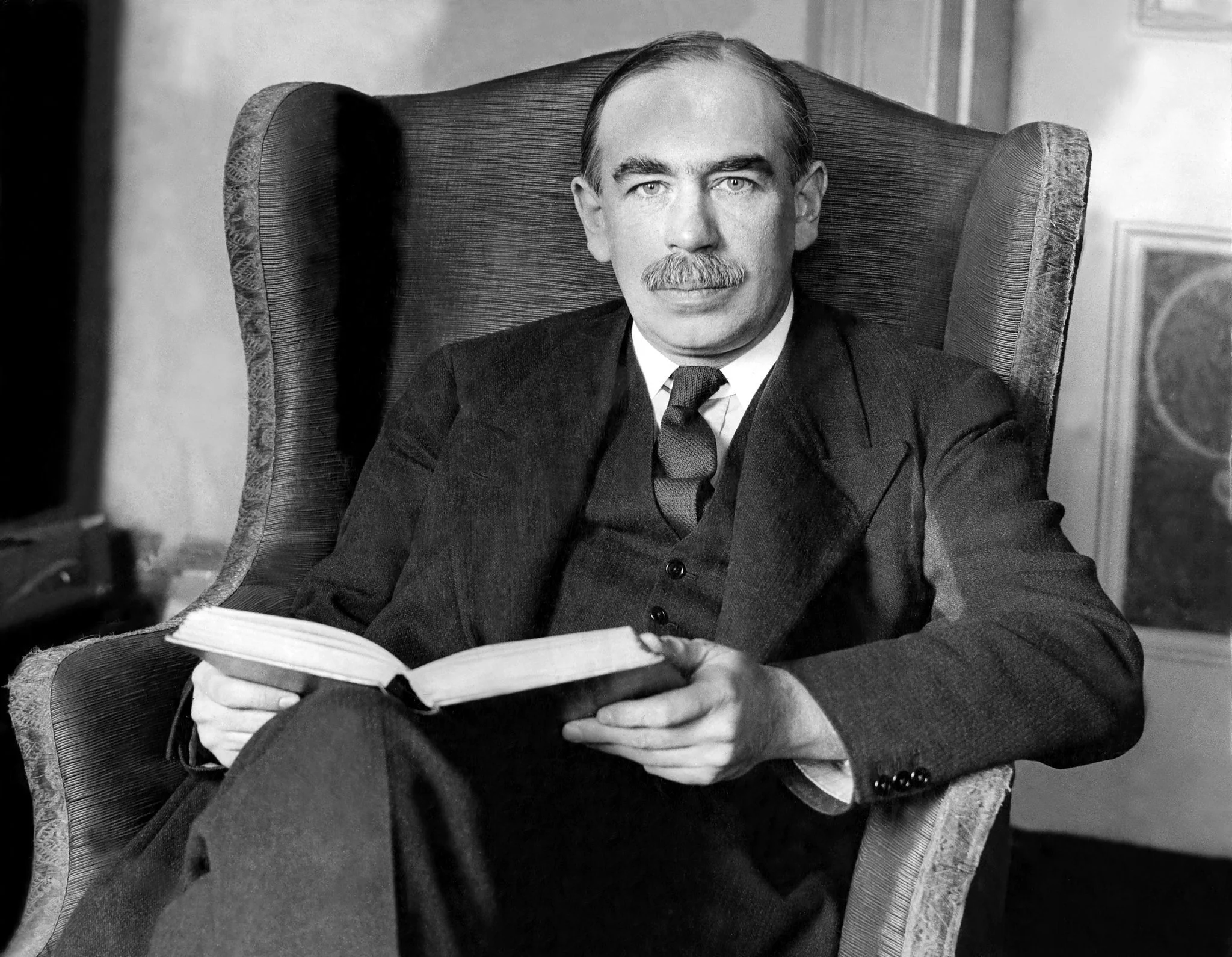
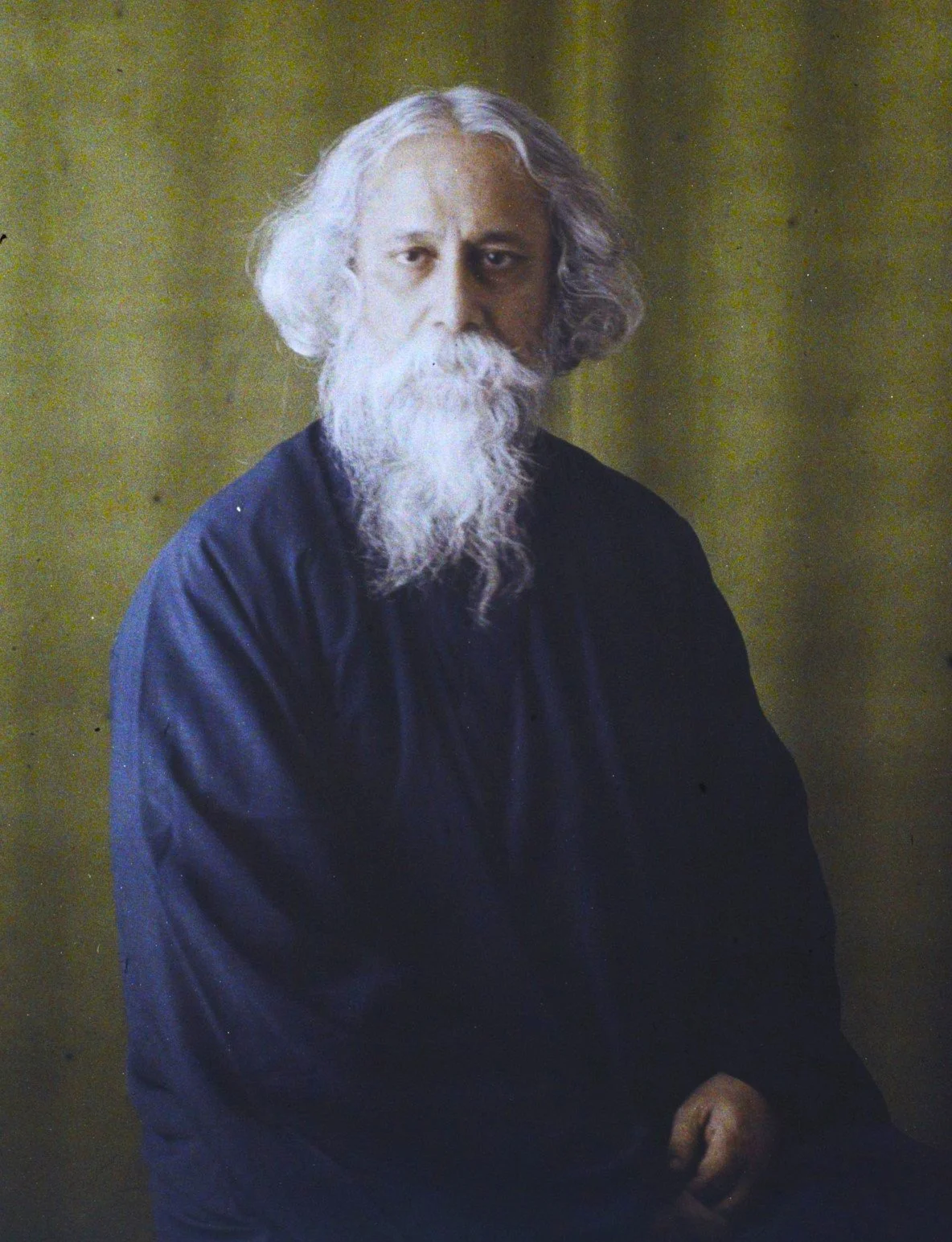
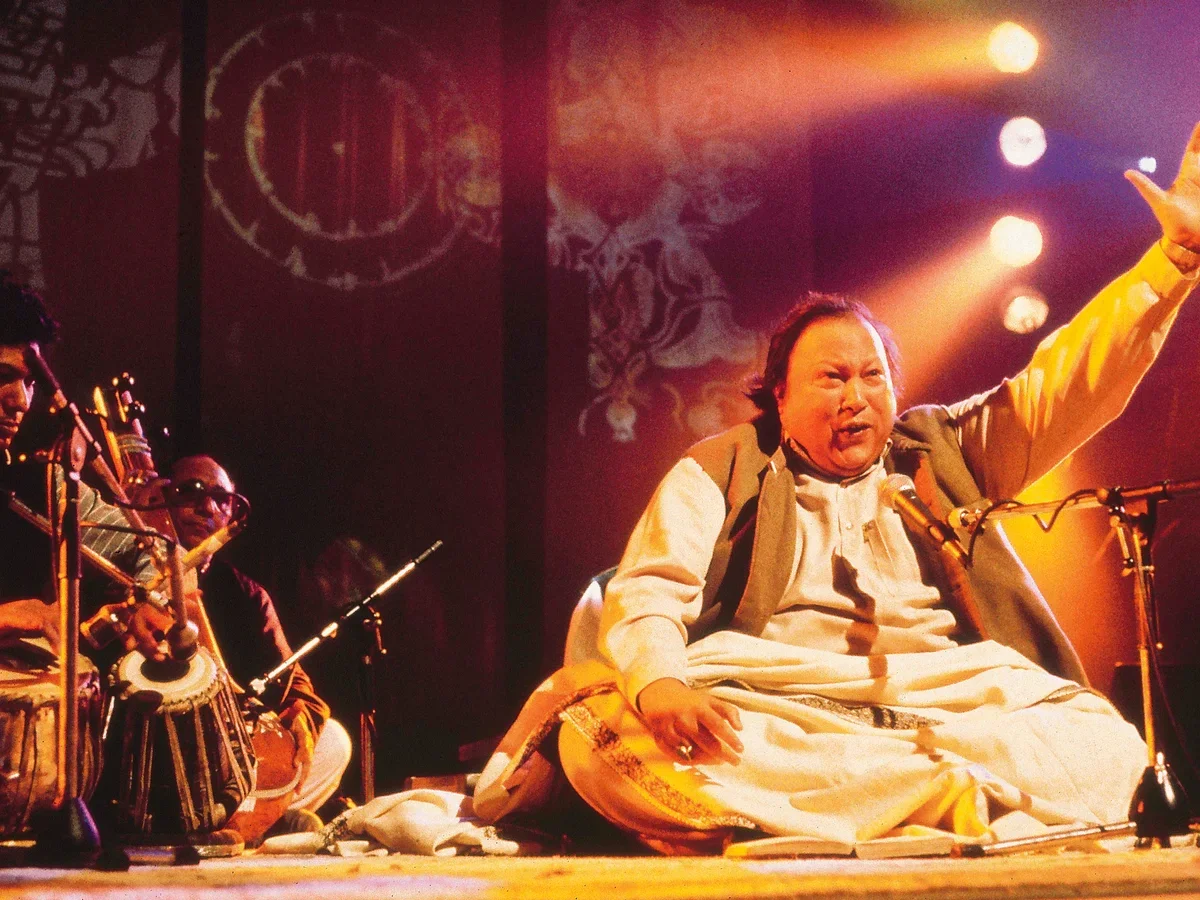
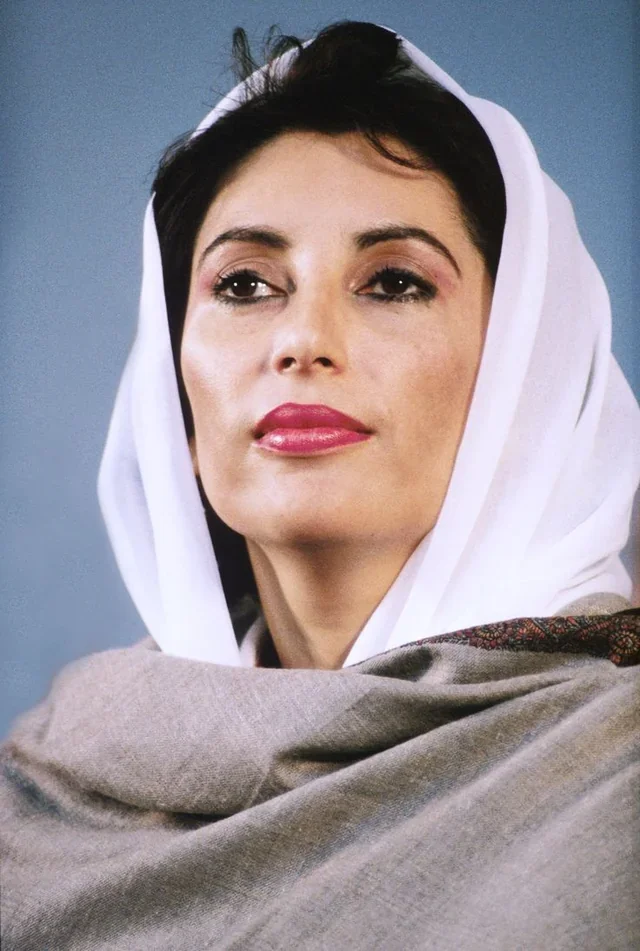
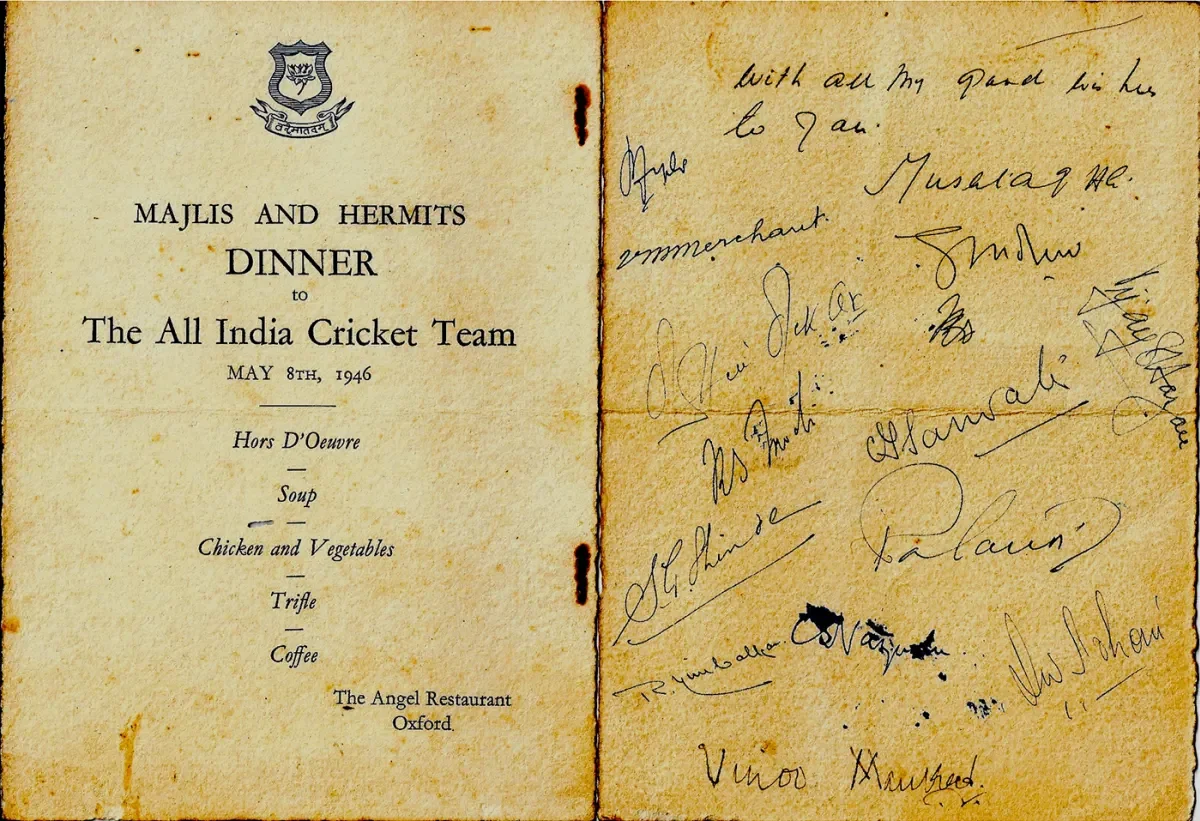
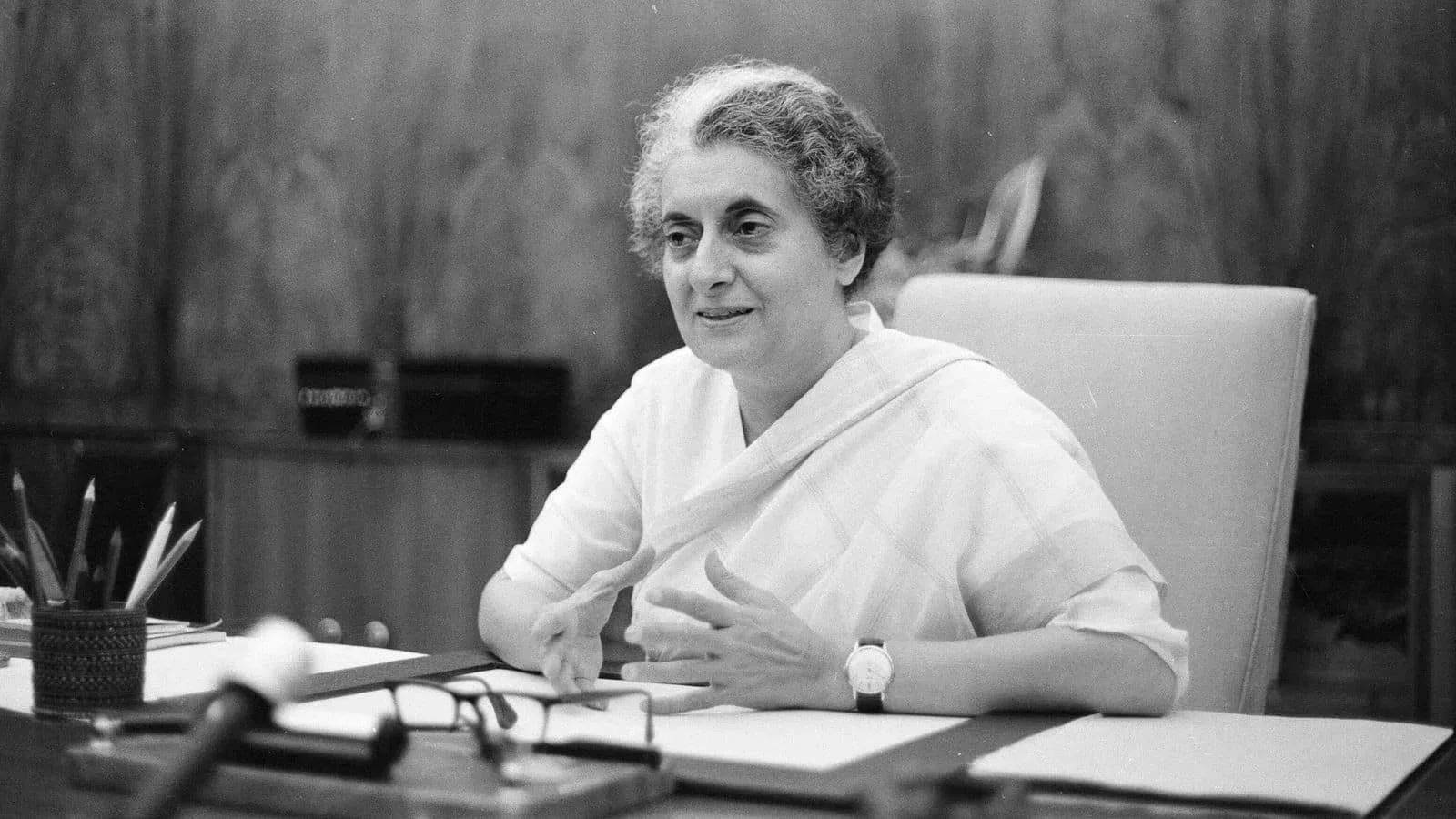
The Majlis has nurtured generations of leaders: from Iqbal, who envisioned the intellectual foundations of Pakistan, to Nehru, the first Prime Minister of India, Tunku Abdul Rahman, Malaysia’s independence leader to freedom, Eric Williams, Trinidad and Tobago’s ‘father of the nation’, Benazir Bhutto, the first woman to lead a Muslim nation, Keynes who revolutionised modern economics, Amartya Sen, who reshaped global discourse on poverty and development, Rabindranath Tagore, the first non-European Nobel laureate in Literature, and many more.
These figures made the Majlis and were made by the majlis. While this legacy is a source of immense pride for our community, it serves more importantly as a lesson to us. Though the Majlis began for debate, the ideas that emerged within were not confined to rhetoric or partisan affiliation. As our first generations interrogated colonialism and exchanged perspectives on their world over chai, wisdom was gathered, refined, and transformed into the revolutionary thoughts of self-determination and independence. All their accumulated thought and planning that found resonance far beyond university created a hub for innovation and inaugurated a tradition and culture of intellectual revolution we share in today.